- Picturesque neighborhoods unveil stories around cricket road and local landmarks
- The Historical Roots of Street Names
- The Evolution of Residential Areas
- The Architectural Landscape of Cricket Road
- Local Building Materials and Design Influences
- The Social Fabric of a Community Street
- The Role of Local Businesses
- Exploring the Surrounding Amenities
- The Future of Cricket Road and Similar Neighbourhoods
Picturesque neighborhoods unveil stories around cricket road and local landmarks
The charming streets of many towns and cities hold stories within their names, and few evoke a sense of peaceful, suburban life quite like cricket road. Often found on the edges of historic areas or burgeoning residential districts, these roads frequently reflect a past connection to the popular sport, or simply a desire to associate the locale with its connotations of leisure and community. However, delving deeper reveals that a street’s character extends far beyond its name, shaped by the architecture, the local businesses, and, most importantly, the people who call it home. Exploring these neighbourhoods unveils a tapestry of interwoven narratives, capturing the essence of local life and its gradual evolution.
These roads aren’t merely thoroughfares; they are vital arteries connecting residents to essential amenities, parks, and each other. They represent a sense of place, a shared identity built over generations. A walk down such a street often reveals a delightful mix of architectural styles, from quaint Victorian cottages to modern family homes, a testament to the changing times and tastes of its inhabitants. The cultivation of community spirit, the local shops that become neighbourhood staples, and the quiet rhythm of daily life all contribute to the unique appeal of these seemingly ordinary yet profoundly significant places.
The Historical Roots of Street Names
The naming of streets is often a fascinating glimpse into a region’s history and cultural influences. While some streets are simply designated with numbers or alphabetical designations, others are imbued with meaning, commemorating important figures, events, or features of the landscape. In the case of streets named after sports, like those incorporating the phrase "cricket," the connection often traces back to a local cricket club, a prominent cricket ground, or even a landowner with a passion for the game. The Victorian era, a period of significant growth in the popularity of cricket, saw a proliferation of such names, particularly in areas undergoing rapid suburban development. It wasn't uncommon for developers to capitalize on the association with a respectable and widely enjoyed pastime to attract residents. The presence of a 'cricket road' can therefore serve as a local historical marker, hinting at the recreational habits and social values of previous generations.
The Evolution of Residential Areas
Suburban expansion, particularly prevalent in the 19th and 20th centuries, played a crucial role in the creation of many streets like cricket road. As cities grew and populations swelled, people sought more spacious living environments outside the congested urban centers. These emerging suburban areas required new infrastructure, including a network of streets, and the naming of these streets became an opportunity to create a sense of identity and belonging. Developers often deliberately chose names that evoked positive associations, such as 'rose garden' or, as we see, 'cricket,’ hoping to appeal to potential buyers. Investigating old maps and local records can reveal how these residential areas evolved, starting as rural landscapes and gradually transforming into thriving communities.
| Street Name | Possible Historical Connection | Typical Architectural Style | Approximate Development Period |
|---|---|---|---|
| Cricket Road | Local Cricket Club or Ground | Victorian/Edwardian Terraced Housing | Late 19th – Early 20th Century |
| Willow Drive | Presence of Willow Trees | Post-War Suburban Bungalows | 1950s – 1960s |
| Rose Lane | Local Rose Garden or Nursery | Detached Modern Houses | 1980s – Present |
| Oak Avenue | Prominent Oak Trees in the Area | Edwardian Villas | Early 20th Century |
The table illustrates the typical patterns observed in street naming and the association with the surrounding environment and development timelines. Understanding these connections provides valuable insight into the character of the area.
The Architectural Landscape of Cricket Road
The architecture encountered along a street named cricket road is often a diverse blend of styles, reflecting the different periods of its development. Many such roads originated in the Victorian or Edwardian eras, and retain examples of terraced houses with ornate brickwork, bay windows, and decorative cast iron railings. As the street evolved, newer homes were constructed, often incorporating the architectural trends of their time. This can lead to a charming juxtaposition of Victorian elegance and modern functionality. The variety of housing types – from detached villas to semi-detached bungalows to purpose-built flats – contributes to the socio-economic diversity of the street and its surrounding neighbourhood. It’s not uncommon to find a mixture of original features and modern renovations, illustrating the ongoing process of adaptation and renewal.
Local Building Materials and Design Influences
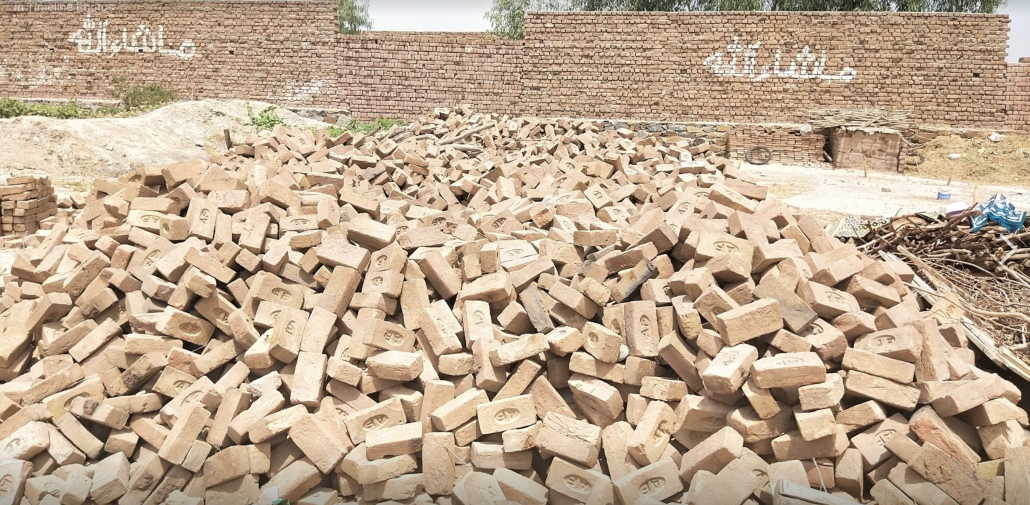
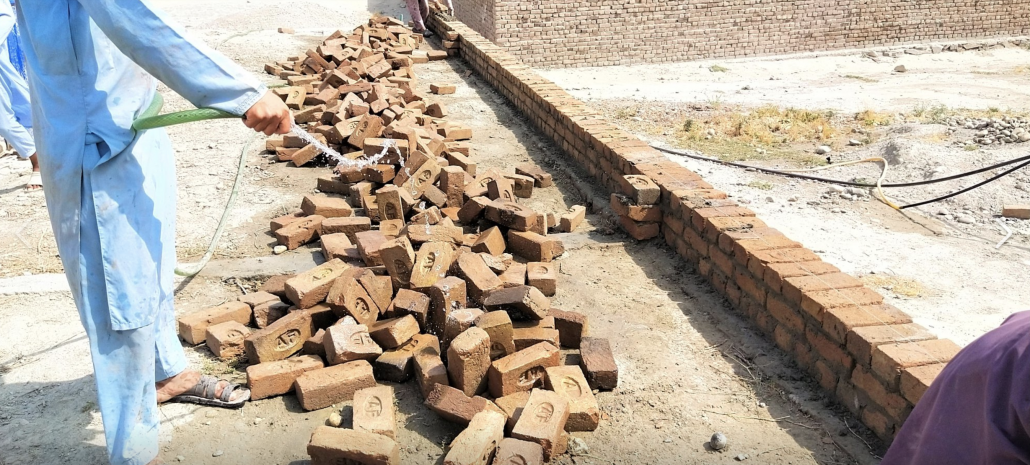
The building materials used in the construction of homes along a street like cricket road provide clues about the local geology and the prevailing construction practices of the time. Brick, particularly in areas with abundant clay deposits, was a commonly used material in the Victorian era, whilst later developments often incorporated materials such as concrete, timber, and render. Regional variations in architectural design are also apparent, reflecting the influence of local traditions and the availability of skilled craftspeople. The decorative details – such as the style of the windows, the shape of the roofs, and the ornamentation around the doorways – often reveal the architectural preferences of the period. Examining these features can help to understand the evolution of building styles and the craftsmanship that went into creating these homes.
- Victorian houses often feature ornate detailing and large bay windows.
- Edwardian architecture is characterised by a lighter, more airy feel.
- Post-war bungalows typically have low-pitched roofs and spacious gardens.
- Modern houses often incorporate minimalist designs and sustainable materials.
The architectural diversity isn’t just visually appealing; it tells a story of how communities change and evolve over time. The continued preservation and adaptation of these buildings are vital to maintaining the unique character of the neighbourhood.
The Social Fabric of a Community Street
Beyond the bricks and mortar, the true heart of a place like cricket road lies in the people who live there. These streets are often characterized by a strong sense of community, fostered by regular interactions between neighbours, local events, and shared interests. Residents may organise street parties, gardening clubs, or local watch schemes, creating a network of support and camaraderie. The presence of local businesses, such as independent shops, cafes, and pubs, also contributes to the social fabric of the street, providing opportunities for residents to connect and build relationships. The spirit of cooperation and mutual support is often palpable, making these streets desirable places to live and raise families. It’s a testament to the human desire for connection and belonging.
The Role of Local Businesses
Local businesses are essential to the vitality of a neighbourhood like the one surrounding a road, forming the heart of the community. Independent shops and cafes provide not only goods and services but also a focal point for social interaction. They create a sense of place and contribute to the unique character of the street. Unlike large chain stores, these businesses are often run by local residents who are invested in the well-being of the community. They understand the needs of their customers and are willing to go the extra mile to provide personalized service. Supporting these businesses is crucial for maintaining the vibrancy and independence of the neighbourhood.
- Regularly shop at local businesses whenever possible.
- Participate in community events and support local initiatives.
- Engage with your neighbours and build relationships.
- Contribute to the upkeep and beautification of the street.
These simple steps can make a significant difference in strengthening the social fabric of the community.
Exploring the Surrounding Amenities
A street rarely exists in isolation; it’s invariably linked to a wider network of amenities and attractions. Proximity to parks, schools, public transportation, and cultural institutions are all factors that contribute to the desirability of a location, including one with a name like cricket road. Many such streets are situated within walking distance of local shops, restaurants, and pubs, providing residents with easy access to everyday conveniences. The presence of green spaces, such as parks and gardens, offers opportunities for recreation and relaxation, enhancing the quality of life for residents. Access to public transportation facilitates commuting to work or school, reducing reliance on private vehicles. It's this blend of accessibility and convenience that makes these streets appealing places to live.
The character of the surrounding amenities often reflects the history and identity of the neighbourhood. Historic pubs, local landmarks, and community centers all contribute to the sense of place and offer opportunities for residents to connect with their surroundings. Protecting and enhancing these amenities is essential for preserving the unique character of the area and ensuring its long-term sustainability.
The Future of Cricket Road and Similar Neighbourhoods
Looking ahead, the future of streets like cricket road depends on a careful balance between preservation and progress. Maintaining the architectural heritage and fostering a strong sense of community are paramount, while also adapting to the evolving needs of residents. Sustainable development practices, such as energy-efficient building designs and improved public transportation, are essential for reducing the environmental impact of these neighbourhoods. Addressing issues such as affordable housing and traffic congestion will also be crucial for ensuring the long-term viability and inclusivity of these communities. The challenge lies in creating neighbourhoods that are both rooted in their past and forward-looking in their vision.
A particularly relevant example is the growing trend towards '15-minute cities', where residents have access to all essential amenities within a 15-minute walk or cycle ride. This emphasizes the importance of local businesses, walkable streets, and accessible public spaces – qualities that already characterise many neighbourhoods centered around roads like these. Successfully implementing these principles will be key to ensuring these communities continue to thrive for generations to come, preserving their unique character whilst embracing a more sustainable and equitable future.